Christmas, Your Gut and Biomine: How to Enjoy the Festive Season Without Forgetting Your Microbiome
Christmas in South Africa usually means big plates, braais, late nights and a lot of “I will sort my health out next year”.
Your gut does not take a holiday though. The trillions of microbes in your gut are still working hard to digest food, support your immune system and send signals to your brain.
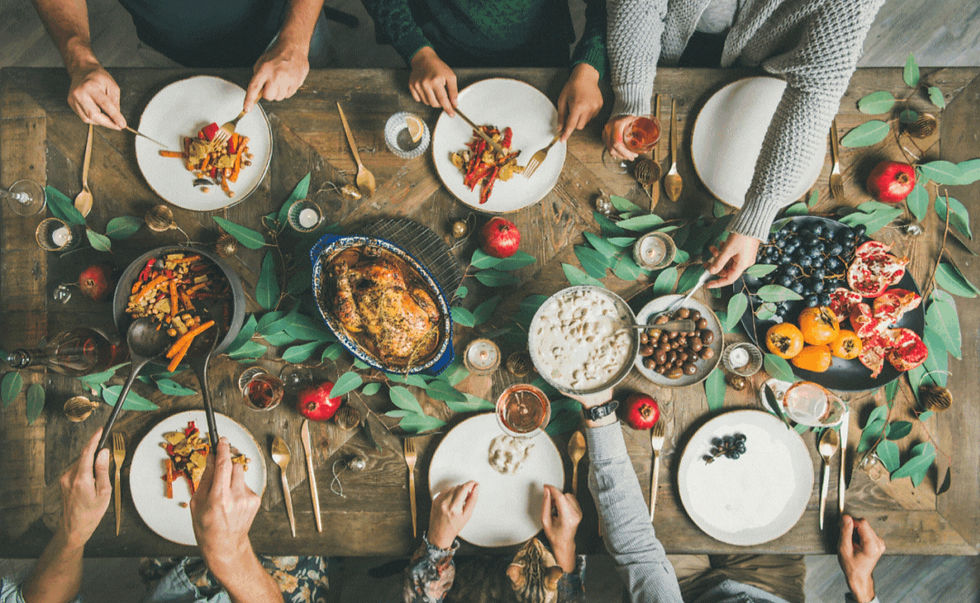
What actually happens to your gut over Christmas?
During Christmas and the holidays, most people eat very differently from their usual routine. There is often:
More sugar and desserts
More rich, fatty food
More alcohol
Less fibre
Less movement and more sitting
More stress and less sleep
Your gut microbiome is very sensitive to these changes. Short bursts of high sugar and low fibre can shift the balance of microbes and may lead to symptoms like bloating, gas, reflux and changes in bowel movements.
Research also shows that seasonal diet changes can alter the mix of bacteria in your gut, with more microbes that break down fats and fewer that thrive on fresh plant foods in winter and over the festive period.
The good news. Your microbiome is adaptable. A few kinder choices and more fibre can help it rebalance again.
Why fibre and plants are your gut’s best Christmas gift
One of the most powerful ways to support your gut microbes is to eat more fibre and plant foods. High fibre diets:
Increase the diversity of your gut microbiome
Feed helpful bacteria that produce short chain fatty acids
Support the gut lining and may influence inflammation and metabolic
Short chain fatty acids like butyrate, acetate and propionate are made when your microbes ferment fibre. They are a key link between what you eat, your microbiome and your overall health.
Over Christmas, instead of trying to be “perfect”, focus on giving your microbes something to work with.
Gut friendly Christmas tips you can actually stick to
Here are some simple ideas you can use with South African Christmas food, from braais to big family lunches.
1. Make half your plate colourful
Keep the roast potatoes, meat and pudding, just try to make half your plate vegetables or salad:
Add leafy salads, slaw or roasted veg
Include beans, chickpeas or lentils in salads
Add fruit on the table, not only in dessert
More plants mean more fibre and more fuel for your microbes.
2. Drink water between the festive drinks
Alcohol and sugary drinks can irritate the gut and change the microbiome, especially when there is a lot of it in a short time.National Geographic+1
A simple rule:
Enjoy your wine, beer or cocktails
Have a glass of water between drinks
Aim for a few extra glasses of water the next morning

3. Take a short walk after big meals
Movement helps your gut muscles contract and move food along. A slow 10 to 15 minute walk after a heavy meal can support digestion and may reduce that heavy, “stuck” feeling.
4. Start the day with a “happy gut” breakfast
Before the big lunch or braai, give your microbes something they like:
Plain yoghurt
Oats or chia pudding
Fresh fruit
A spoon of seeds, nuts or a super seed mix such as Cool Stool
You get fibre from the plants and live cultures from the yoghurt, which can help your gut handle richer foods later in the day.
5. Be kind to your stress levels
The gut and brain are closely linked. Stress, rushing and family tension can impact gut motility and symptoms.Cambridge Core
Try to:
Sit down to eat rather than standing and picking
Take a few slow breaths before starting a big meal
Give yourself quiet moments away from the noise when you need them
A South African twist on gut friendly Christmas food
Supporting your gut does not mean eating “perfect” plates of salad. You can make small tweaks to South African favourites:
Add chakalaka or bean salad next to pap and meat
Use brown bread or seed bread for your Christmas leftovers sandwich
Add a big green salad, carrot salad or beetroot to braai spreads
Serve fresh fruit like pineapple, mango or citrus along with desserts
These changes keep Christmas food familiar while giving your microbiome more diversity and fibre.
Where Biomine fits in: testing your gut microbiome in South Africa
All of the tips above are helpful, but you might still be wondering:
“What is actually going on in my gut”
This is where a gut microbiome test can help.
What Biomine does

At Biomine Health we offer an at home gut health test in South Africa. You collect a small stool sample at home, send it to our local partner lab, and we:
Sequence the DNA of the bacteria in your sample using 16S rRNA gene sequencing, a well established method for microbiome profiling.
Identify which bacteria are more common or less common in your gut
Look at patterns that may be linked to symptoms like bloating, constipation, loose stools, energy, mood and skin
Provide a clear, visual report written in plain language
Offer a one to one online consultation with a microbiome specialist so you are not left on your own with the data
Because Biomine is built for South Africans, your recommendations are grounded in:
Local food options and shopping
Patterns we see in South African gut microbiomes
Lifestyle realities here, not generic overseas advice
You can read more about how our test works on our website:👉 At home gut health test in South Africa
When should you think about a gut microbiome test
A gut test is not a replacement for medical care, but it can be useful if:
You have ongoing bloating or discomfort and lifestyle changes have not helped
You struggle with constipation or irregular bowel movements
You want to understand how your gut microbes might be linked to issues like energy, skin or mood
You are already working on your health and want more personalised insight than generic advice
If you have severe pain, bleeding, weight loss, or ongoing symptoms that worry you, please speak to a doctor or gastroenterologist first.
Quick FAQ for South African readers
Is a gut microbiome test available in South Africa
Yes. There are several options for gut microbiome tests in South Africa, including local providers and international brands that offer tests via local partners.
Biomine is one of the local options, with testing and reporting designed specifically for South Africans.
Can Christmas food ruin my gut health
A few days of festive eating are unlikely to “ruin” your gut, but heavy meals, alcohol, low fibre and stress can push your microbiome out of balance and trigger symptoms.
What you do most of the year matters more than what you do on Christmas day. Small, gut friendly choices and a focus on plants, movement and sleep can help your microbiome recover.
How can I support my gut after Christmas
Bring back fibre rich foods and plenty of plants
Drink water and limit sugary drinks
Return to a regular sleep and meal routine
Move your body daily, even if it is just walking
If symptoms stick around, consider talking to a healthcare provider and exploring tools like a gut microbiome test for more insight

Comments