What to Do After Testing Positive for H.pylori
Testing positive for H. pylori can bring both relief and uncertainty. For some people, it explains months of digestive discomfort, bloating, nausea, or stomach pain. For others, it raises a new set of questions around treatment, healing, and what recovery should actually look like. H. pylori is a bacterial infection that can inflame the stomach lining and contribute to gastritis and peptic ulcers, so getting the right treatment matters.
The positive side is that once the infection is identified, you have a clearer direction. The next step is not just treating the bacteria. It is also making sure it has cleared and then supporting your gut as it recovers.

What is H. pylori?
Helicobacter pylori, or H. pylori, is a bacterium that infects the stomach lining. It can cause chronic inflammation and is a well-recognised cause of gastritis and peptic ulcers. In some cases, if left untreated over time, it may also increase the risk of more serious complications, including stomach cancer.
Not everyone with H. pylori will have symptoms, but when symptoms do happen, they can affect daily comfort, eating patterns, and quality of life.
How do you get H. pylori?
H. pylori is believed to spread through contact with saliva, vomit, or stool, as well as through contaminated food or water. That is why hygiene, clean water, and safe food practices are an important part of prevention. Mayo Clinic specifically advises steps such as not sharing food or utensils as part of prevention guidance.
How is H. pylori tested?
There are several ways to test for H. pylori, and the right option depends on symptoms, medical history, and what a doctor needs to confirm. Common tests include both non-invasive and invasive options.
Non-invasive tests
Urea breath test: This test checks whether H. pylori is present by measuring what happens after a person swallows labelled urea. If the bacteria is present, it breaks the urea down and this can be detected in the breath.
Stool antigen test: This test looks for proteins linked to H. pylori in a stool sample and is commonly used to detect active infection.
Stool PCR test: Some stool-based tests can detect H. pylori DNA and may also identify markers linked to antibiotic resistance. These tests may not be available everywhere, but they can be useful in some cases.
Blood test: Blood tests can look for antibodies linked to H. pylori, but they are generally less useful when trying to confirm a current active infection than breath or stool testing.
Invasive test
Endoscopy with biopsy: An endoscopy allows a doctor to examine the upper digestive tract and take a small tissue sample from the stomach lining if needed. This is often used when symptoms are more severe or when doctors need a closer look at the stomach itself.
What struggles can H. pylori cause?
H. pylori can create more than general digestive discomfort. It may lead to ongoing irritation in the stomach and, in some people, ulcers. Symptoms can include:
bloating
nausea
burping
burning or aching stomach pain
pain that may feel worse when the stomach is empty
reduced appetite
discomfort around meals
ulcer-related pain
If left untreated, H. pylori can also contribute to peptic ulcers, stomach bleeding, and a higher long-term risk of stomach cancer.
What should you do after a positive test?
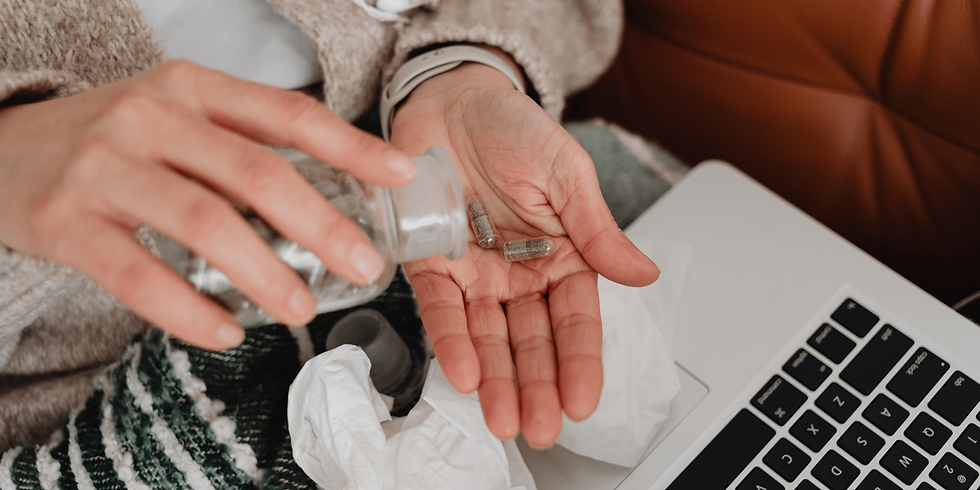
The first step after a positive result is to see a doctor. Standard treatment for H. pylori usually involves at least two antibiotics taken together, often alongside acid-reducing medication to help the stomach heal. Using more than one antibiotic helps reduce the chance of resistance.
It is important to finish the full course of treatment exactly as prescribed. After that, follow-up testing is usually recommended to confirm that the infection has actually cleared. Mayo Clinic notes that this confirmation testing is typically done at least four weeks after antibiotics are finished, and certain acid-reducing medicines may need to be paused before retesting.
Recovering gut health after H. pylori treatment
Recovery after H. pylori treatment is often not just about the stomach. Antibiotics are necessary to clear the infection, but they may also affect the wider gut environment. That is why many people need a period of gentler eating and gradual gut support after treatment. This is where personalised health matters more than generic advice.
A helpful recovery approach may include:
focusing on whole foods rather than highly processed foods
adding fibre gradually if the stomach still feels sensitive
including natural probiotic foods if tolerated
introducing prebiotic foods slowly
staying well hydrated
avoiding foods and habits that irritate the stomach lining
What to eat after H. pylori treatment
When the stomach still feels irritated, simpler foods often feel easier to tolerate. A gentler recovery phase may include:
cooked vegetables
oats
bananas
rice
soups
lean proteins
soft, plain meals if nausea or irritation is still present
As symptoms improve, fibre-rich plant foods can be brought back in more gradually to help support the wider gut microbiome.
Natural probiotic foods
Probiotic foods may help support the gut during or after treatment, although they should be seen as supportive, not curative. The WGO guideline notes that some probiotic approaches may help reduce side effects linked to H. pylori eradication treatment and may support treatment success in some settings.
Examples include:
plain yoghurt with live cultures
kefir
amasi or other cultured dairy, if tolerated
sauerkraut
kimchi
miso
other fermented foods with live cultures
Prebiotic foods to feed beneficial bacteria
Prebiotic foods help nourish beneficial gut bacteria. The WGO guideline lists foods such as oats, onions, garlic, leeks, apples, asparagus, and bananas as useful sources of naturally occurring prebiotics.
Examples include:
oats
onions
garlic
leeks
beans and lentils
asparagus
apples
slightly green bananas
If the stomach is still sensitive after treatment, these foods are often better tolerated when reintroduced slowly rather than all at once. This is an inference based on their fibre and fermentable content plus the broader guidance to personalise recovery pace.
Foods and habits that may aggravate symptoms while healing
While healing, some foods and habits may worsen irritation. Spicy foods do not cause ulcers, but Mayo Clinic notes they can make symptoms worse. Smoking can also slow ulcer healing, and alcohol or irritating foods may aggravate symptoms in some people. NSAID painkillers such as ibuprofen can also be a problem unless a doctor has advised otherwise.
These may be worth limiting while healing:
alcohol
smoking
spicy foods, if they trigger symptoms
fatty foods
very acidic foods or drinks
coffee, if it worsens symptoms
NSAID painkillers such as ibuprofen, unless advised by a doctor
Can diet prevent H. pylori?
Diet alone does not prevent H. pylori reinfection. Prevention is more strongly linked to hygiene, safe food, and clean water.
That said, from a gut health perspective, a varied whole-food diet, fermented foods where tolerated, and enough plant diversity may still support overall digestive health over time. Reducing smoking and ongoing stomach irritation may also help the stomach recover more fully.
Final thoughts
Testing positive for H. pylori is not just a diagnosis. It is also a starting point. The goal is to treat the infection properly, confirm that it has cleared, and then support your gut in a way that feels realistic and sustainable.
That is where a more personalised view of health matters. Recovery is rarely one size fits all. Some people may tolerate fibre, fermented foods, and broader food variety quite quickly. Others may need more time and a gentler approach. What matters is treating the infection properly first, then rebuilding with intention.


Comments